Early Signs of High Blood Sugar
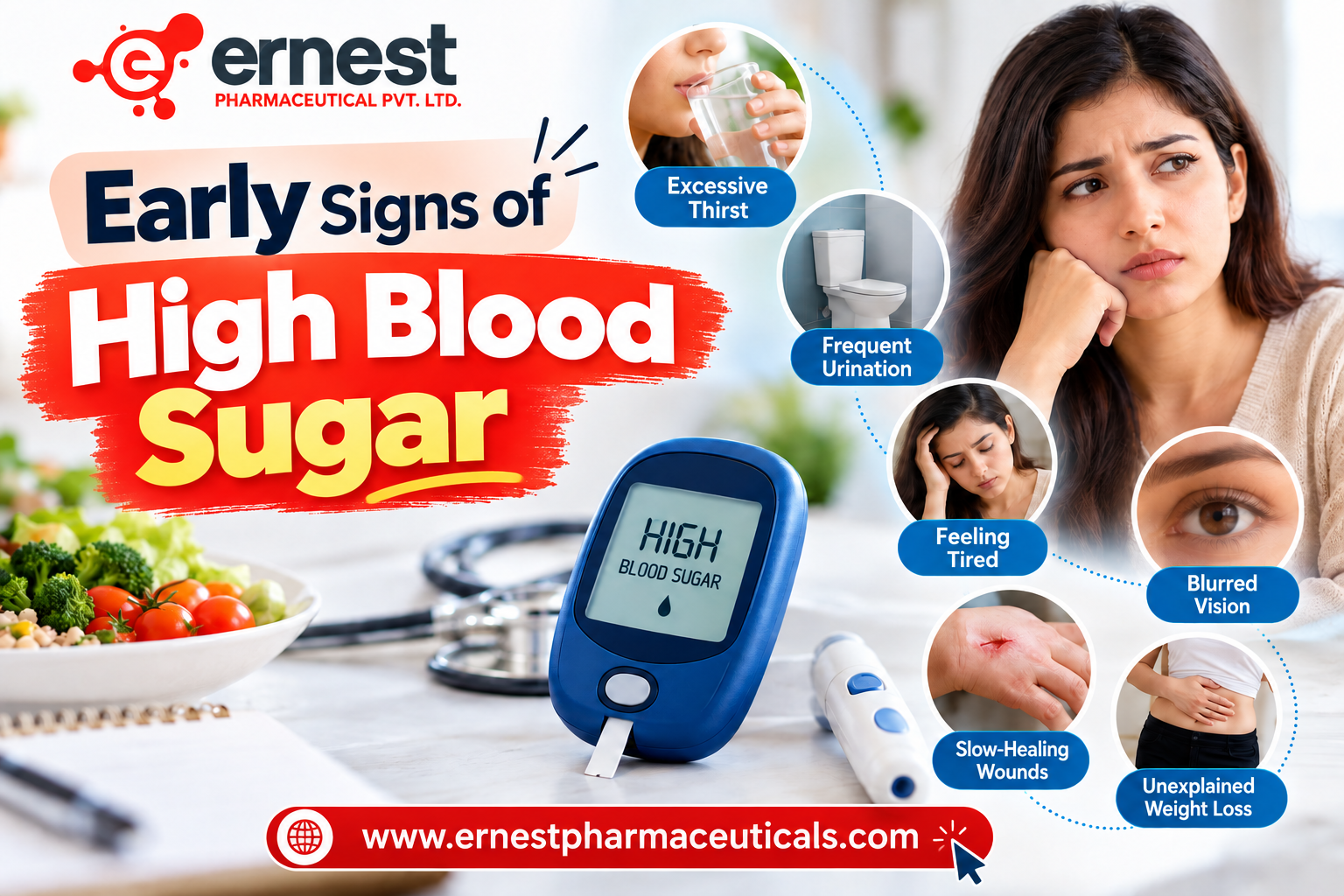
Early Signs of High Blood Sugar: Symptoms You Should Notice
Feeling thirsty more often than usual? Do you find yourself going to the bathroom frequently, especially at night? Or feeling unusually fatigued even after getting enough rest? These changes may seem small, but sometimes they can be early signs of high blood sugar. High blood sugar, also known as hyperglycemia, happens when there is too much glucose in the bloodstream. The body uses glucose for energy, while insulin helps the cells absorb glucose from the bloodstream When the body does not make enough insulin or cannot use insulin effectively, blood glucose levels can rise.
The difficult part is that high blood sugar does not always cause obvious symptoms. In type 2 diabetes, symptoms may develop slowly, and some people may initially have few or no noticeable symptoms. For this reason, it can be helpful to recognise common warning symptoms.
1. Feeling Thirsty More Often
One of the most common high blood sugar symptoms is unusual or excessive thirst. When there is extra glucose in the blood, the kidneys work to remove some of it through urine. As the body loses more fluid, you may become dehydrated and feel thirsty more often. Having an occasional thirsty day is normal, especially during hot weather or after exercise. However, thirst that continues without an obvious reason deserves attention.
2. Frequent Urination
Are you suddenly visiting the bathroom more often than usual? Frequent urination can be another early warning sign. When blood glucose is high, the kidneys may remove extra glucose through urine, which can also pull more water from the body.
Some people may particularly notice that they are waking up more often during the night to urinate. Frequent urination can have many causes, so this symptom alone does not mean that someone has diabetes.
3. Feeling Tired or Low on Energy
Everyone feels tired occasionally. But persistent tiredness without a clear explanation may be worth discussing with a healthcare professional. Glucose normally enters the body's cells and provides energy. When insulin is not working effectively, glucose may remain in the bloodstream instead of being used efficiently by the cells. As a result, fatigue and low energy may occur alongside other symptoms of high blood sugar.
4. Blurred Vision
Temporary blurred vision can sometimes occur when blood sugar levels are high. Changes in glucose levels can affect fluid balance in the eye and temporarily affect the ability to focus clearly. Several factors can contribute to blurred vision. Any new, sudden or persistent change in vision should therefore be evaluated rather than assumed to be caused by blood sugar.
5. Feeling Hungry More Often
Another possible sign is feeling hungry even after eating. The body relies heavily on glucose for energy. When glucose is not used effectively, the body may continue to send hunger signals even though glucose is available in the bloodstream. If increased hunger appears together with unusual thirst, frequent urination, or unexplained weight changes, a medical check-up may be appropriate.
6. Cuts and Wounds Taking Longer to Heal
Have you noticed that a small cut or wound seems to be taking longer than expected to heal? Over time, high blood glucose can affect circulation and other processes involved in healing. Slow-healing wounds can therefore occur in people with diabetes. Persistent wounds, particularly on the feet, should not be ignored and should be examined by a healthcare professional.
7. Frequent Infections
Repeated infections can sometimes be associated with high blood sugar. People with diabetes may experience infections such as urinary tract infections, skin infections or yeast infections more frequently. Of course, infections are common and can occur for many reasons. Repeated infections together with other diabetes symptoms, however, are worth discussing with a doctor.
8. Unexplained Weight Loss
Losing weight without changing your diet or physical activity may sound surprising, but unexplained weight loss can occur with diabetes. When the body cannot use glucose properly for energy, it may begin using stored fat and other energy sources instead. Unintentional weight loss should always be taken seriously, especially when accompanied by increased thirst, hunger or frequent urination.
Can You Have High Blood Sugar Without Symptoms?
Yes.
This is particularly important with type 2 diabetes because symptoms can develop gradually and may be mild enough to go unnoticed. Some people discover elevated blood glucose only during routine testing. For this reason, symptoms should not be used to diagnose diabetes. A blood sugar test is needed to determine whether glucose levels are outside the expected range. Healthcare professionals may use tests such as fasting blood glucose or HbA1c depending on the individual situation.
When Should You Consult a Doctor?
Consider speaking with a healthcare professional if you repeatedly experience symptoms such as:
- Unusual or excessive thirst
- Frequent urination
- Persistent tiredness
- Blurred vision
- Increased hunger
- Unexplained weight loss
- Slow-healing cuts or wounds
- Frequent infections
These symptoms do not automatically mean you have diabetes. Many other conditions can cause similar problems, which is why proper testing is important. Urgent medical attention is needed if very high blood sugar is accompanied by symptoms such as vomiting, abdominal pain, difficulty breathing, unusual drowsiness, confusion or fruity-smelling breath. These can occur with diabetic ketoacidosis, a serious medical emergency.
Small Daily Habits Matter
Healthy daily habits can help keep your blood sugar and overall health in a healthy range. Regular physical activity, balanced meals, adequate sleep, staying hydrated and maintaining a healthy weight can all form part of a healthy lifestyle. People who already have diabetes should follow the monitoring, diet, activity and medication plan recommended by their healthcare professional rather than changing medicines or doses on their own.
Health Information by Ernest Pharmaceutical Pvt. Ltd.
This blog is provided for general health awareness and educational purposes. It is not intended to diagnose, treat, or replace professional medical advice. If you have symptoms or concerns about your blood sugar, consult a qualified healthcare professional.