Early Signs of a Heart Attack You Should Know
Early Signs of a Heart Attack You Should Know
When people imagine a heart attack, they often picture sudden, severe chest pain. However, heart attack symptoms may not always start in the same way. For some people, the first signs are mild and easy to mistake for tiredness, indigestion, stress, or another everyday problem. Knowing the early warning signs of a heart attack can help you recognize when something may be wrong. Symptoms can vary from person to person, and they may appear suddenly or develop gradually. A heart attack is a medical emergency. If you think you or someone around you may be having one, seek emergency medical help immediately rather than waiting for the symptoms to improve.
What Happens During a Heart Attack?
For the heart to keep working normally, it needs a steady flow of blood that carries oxygen. A heart attack can occur when the blood supply suddenly reduces or is cut off in one area of the heart. Without enough oxygen, the affected heart muscle can begin to suffer damage. The longer blood flow remains blocked, the greater the risk of serious damage. This is why recognizing heart attack symptoms and acting quickly matters.
1. Chest Discomfort or Pressure
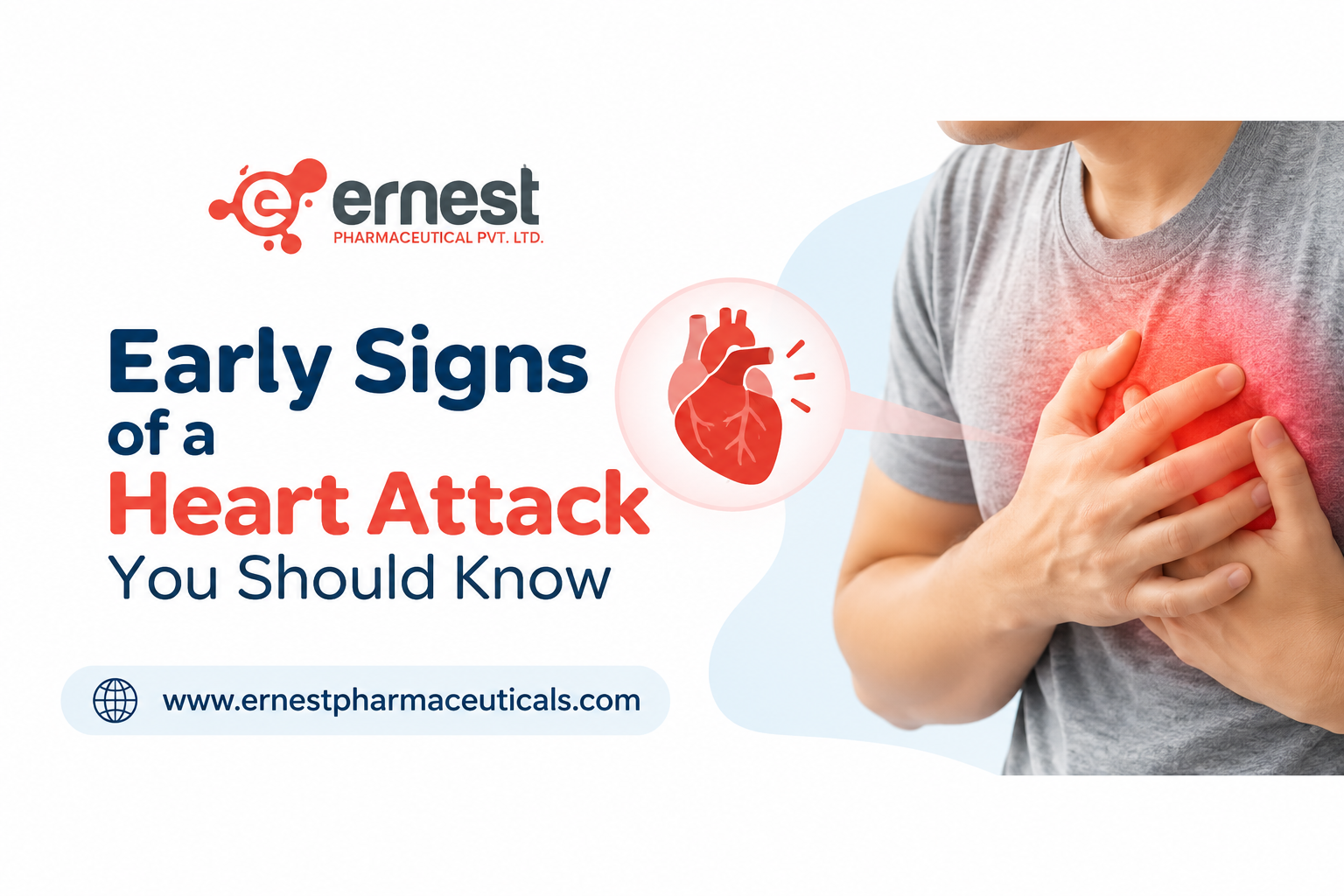
Chest discomfort is one of the most widely recognized warning signs of heart attack. It may not always feel like sharp or severe pain. Some people describe it as pressure, heaviness, squeezing, tightness, fullness, or an uncomfortable feeling in the chest. The discomfort may last for several minutes. It can also go away and then return. Any new or unexplained chest discomfort should be taken seriously, particularly when it appears with other symptoms.
2. Pain That Spreads Beyond the Chest
A heart attack may also cause discomfort in other parts of the upper body, not just the chest. Pain or discomfort may spread to one or both arms, the shoulders, back, neck, jaw, or upper stomach area. For some people, discomfort in these areas may be more noticeable than chest pain itself. Jaw, back, or arm discomfort accompanied by sweating, breathlessness, nausea, or weakness should not simply be ignored.
3. Shortness of Breath
Suddenly feeling short of breath without a clear reason can be another warning sign. A person may feel unable to take a full breath or become unusually breathless after very little activity. Shortness of breath can happen together with chest discomfort, but it may also occur without it. If unexplained breathing difficulty appears suddenly, especially with chest pressure, dizziness, sweating, or nausea, emergency medical assessment is important.
4. Unusual or Extreme Tiredness
Everyone feels tired occasionally. However, unusual exhaustion that feels different from everyday tiredness deserves attention. A person may suddenly find routine activities much more difficult than usual or feel exhausted without an obvious reason. Unusual fatigue is particularly important because it can sometimes occur before or during a heart attack and may be more noticeable in women. Fatigue alone does not mean someone is having a heart attack, but unexplained tiredness alongside other early signs of heart attack should not be dismissed.
5. Cold Sweat
Breaking into a cold sweat without exercise, hot weather, or another clear reason can be a warning sign. This may happen suddenly and can occur together with chest discomfort, nausea, dizziness, or breathlessness. It is easy to blame unexpected sweating on heat, anxiety, or stress. When it appears with other possible heart symptoms, however, it needs more attention.
6. Nausea or an Upset Stomach
Not every heart attack feels like a heart problem. A heart attack may sometimes cause an uneasy feeling in the stomach, along with feeling sick or throwing up. These symptoms can sometimes feel similar to indigestion. This can make them particularly easy to overlook after eating or when someone already experiences digestive problems. Persistent or unusual stomach discomfort accompanied by chest pressure, sweating, shortness of breath, or pain in the jaw, back, shoulder, or arm should be treated seriously.
7. Dizziness or Feeling Light-Headed
Sudden dizziness, light-headedness, or feeling as though you might faint can occur during a heart attack. There are many possible causes of dizziness, so it should not automatically be assumed to be heart-related. However, dizziness becomes more concerning when it develops suddenly with chest discomfort, shortness of breath, sweating, nausea, or unusual weakness.
Are Heart Attack Signs Different for Women?
Yes. Women can experience the classic symptom of chest pain or discomfort, but other symptoms may sometimes be more noticeable. Heart attack symptoms in women can include shortness of breath, nausea or vomiting, unusual tiredness, weakness, and discomfort in the back, shoulder, arm, or jaw. Because these symptoms can resemble stress, digestive problems, or ordinary fatigue, they may sometimes be underestimated. The safest approach is not to wait for severe chest pain before seeking help when several concerning symptoms appear together.
What Is a Silent Heart Attack?
Some heart attacks cause very mild symptoms or symptoms that people do not immediately recognize. These are sometimes called silent heart attacks. Silent heart attack symptoms may include mild chest discomfort, unexplained tiredness, shortness of breath, nausea, dizziness, sweating, or discomfort in the jaw, back, or arm. In some cases, a person may not realize that a heart attack has occurred until later medical testing identifies signs of heart damage.
When Should You Get Emergency Help?
If you notice possible signs of a heart attack, seek medical help instead of trying to identify the condition yourself. Seek emergency medical help immediately if you develop new or unexplained chest pressure or pain, particularly when it occurs with breathlessness, sweating, nausea, dizziness, weakness, or discomfort spreading to the arm, shoulder, back, neck, or jaw. Even if you are unsure whether the symptoms are related to the heart, getting assessed quickly is safer than waiting for them to become severe.
Frequently Asked Questions
1. What are the early warning signs of a heart attack?
Common signs include chest discomfort or pressure, shortness of breath, cold sweating, nausea, dizziness, unusual tiredness, and pain or discomfort that may spread to the arms, shoulders, back, neck, or jaw.
2. Can a heart attack start with mild symptoms?
Yes. A heart attack can begin gradually with mild discomfort rather than sudden severe pain. Symptoms may also come and go.
3. Can you have a heart attack without chest pain?
Yes. Some people may experience symptoms such as shortness of breath, nausea, unusual fatigue, dizziness, or upper-body discomfort without obvious chest pain.
4. What are heart attack symptoms in women?
Heart attack symptoms in women can include chest discomfort, shortness of breath, nausea, vomiting, unusual fatigue, weakness, and pain or discomfort in the back, shoulder, arm, or jaw.
5. Can indigestion feel like a heart attack?
Some heart attack symptoms may feel similar to indigestion or stomach discomfort. Because it can be difficult to tell the difference based on symptoms alone, don't self-diagnose unexplained or concerning discomfort.
6. Should I wait to see if heart attack symptoms go away?
No. If you suspect a heart attack, seek emergency medical help immediately. Waiting for symptoms to disappear can delay potentially lifesaving treatment.